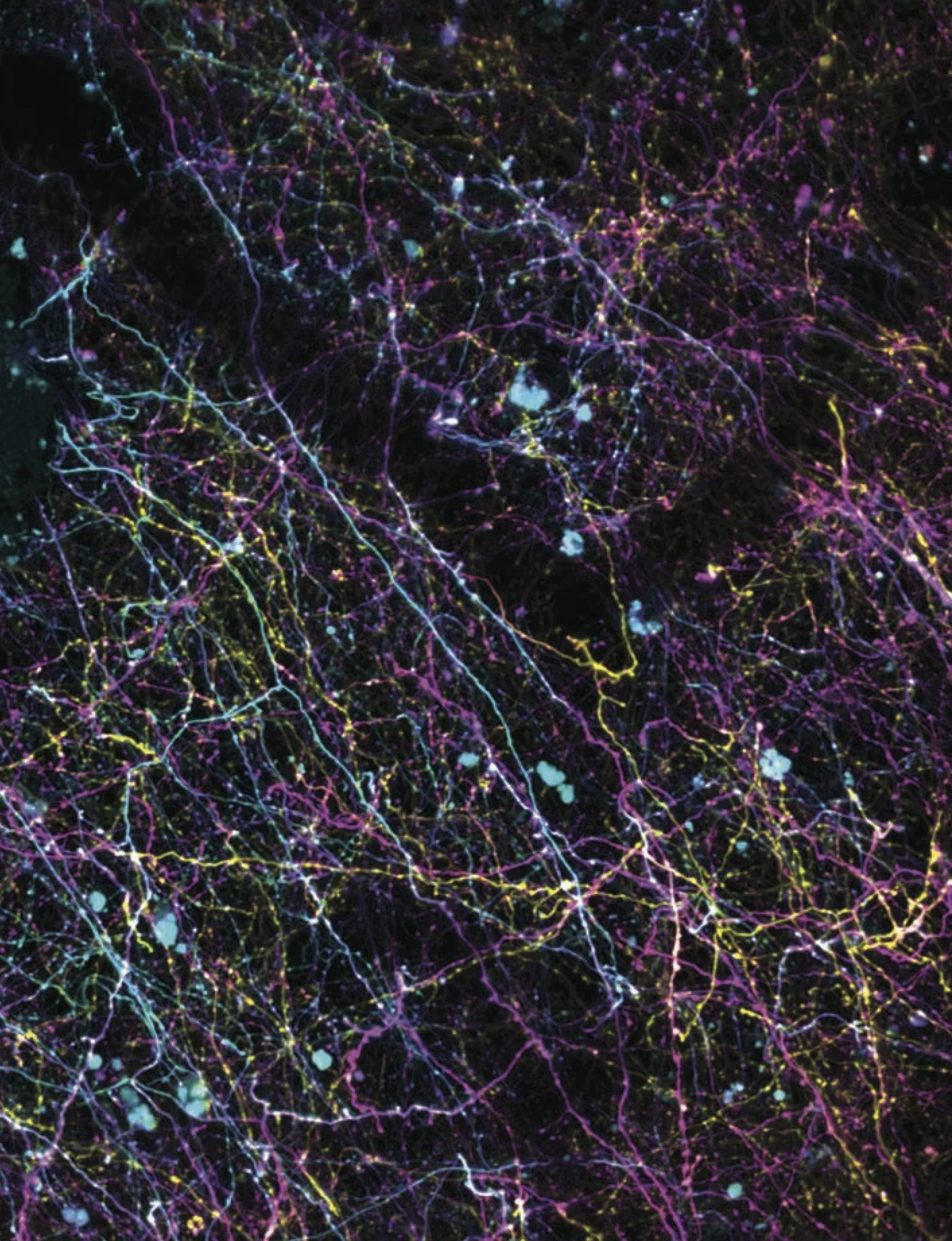
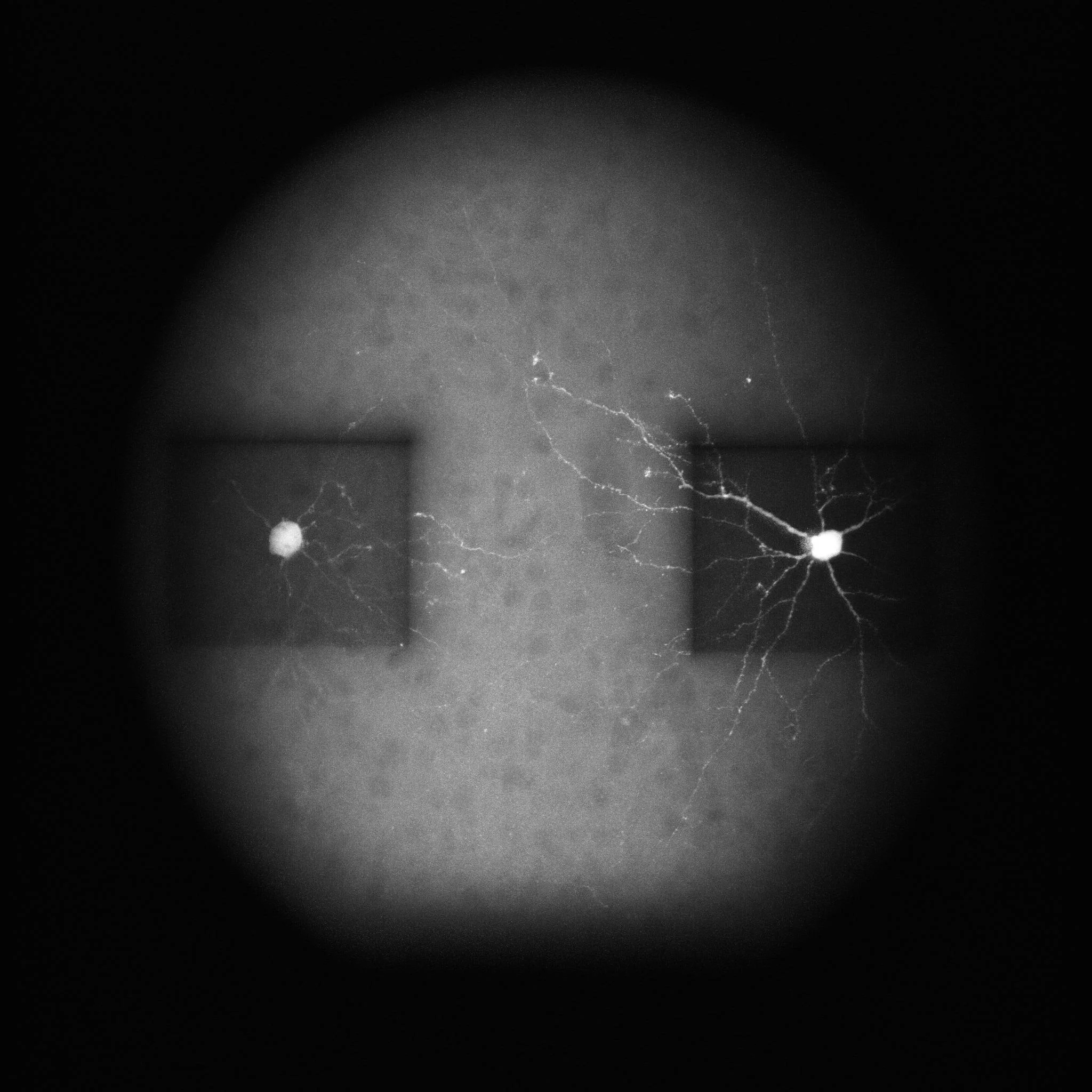
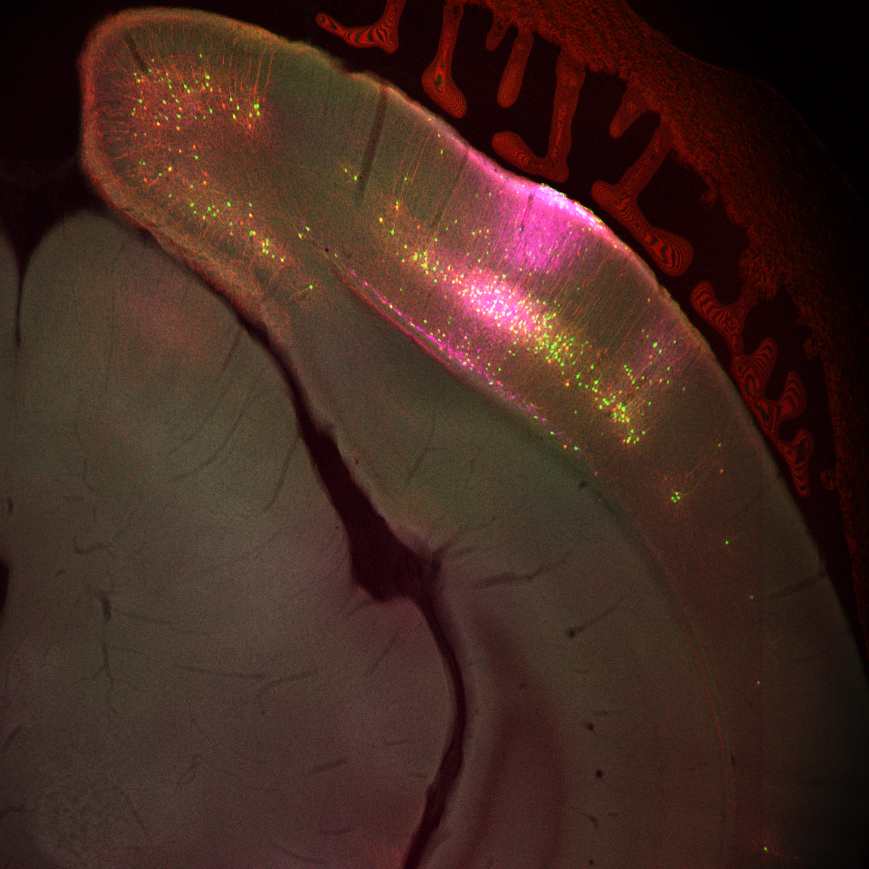
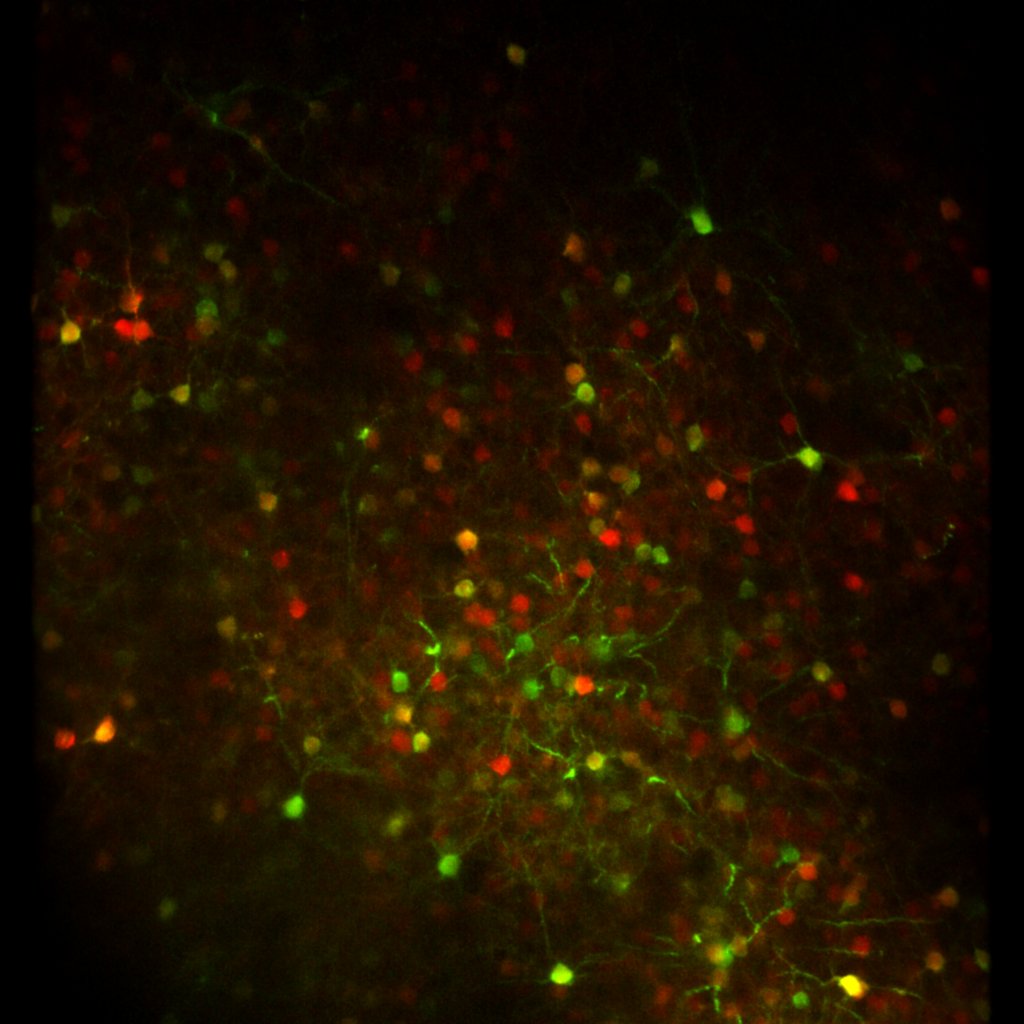
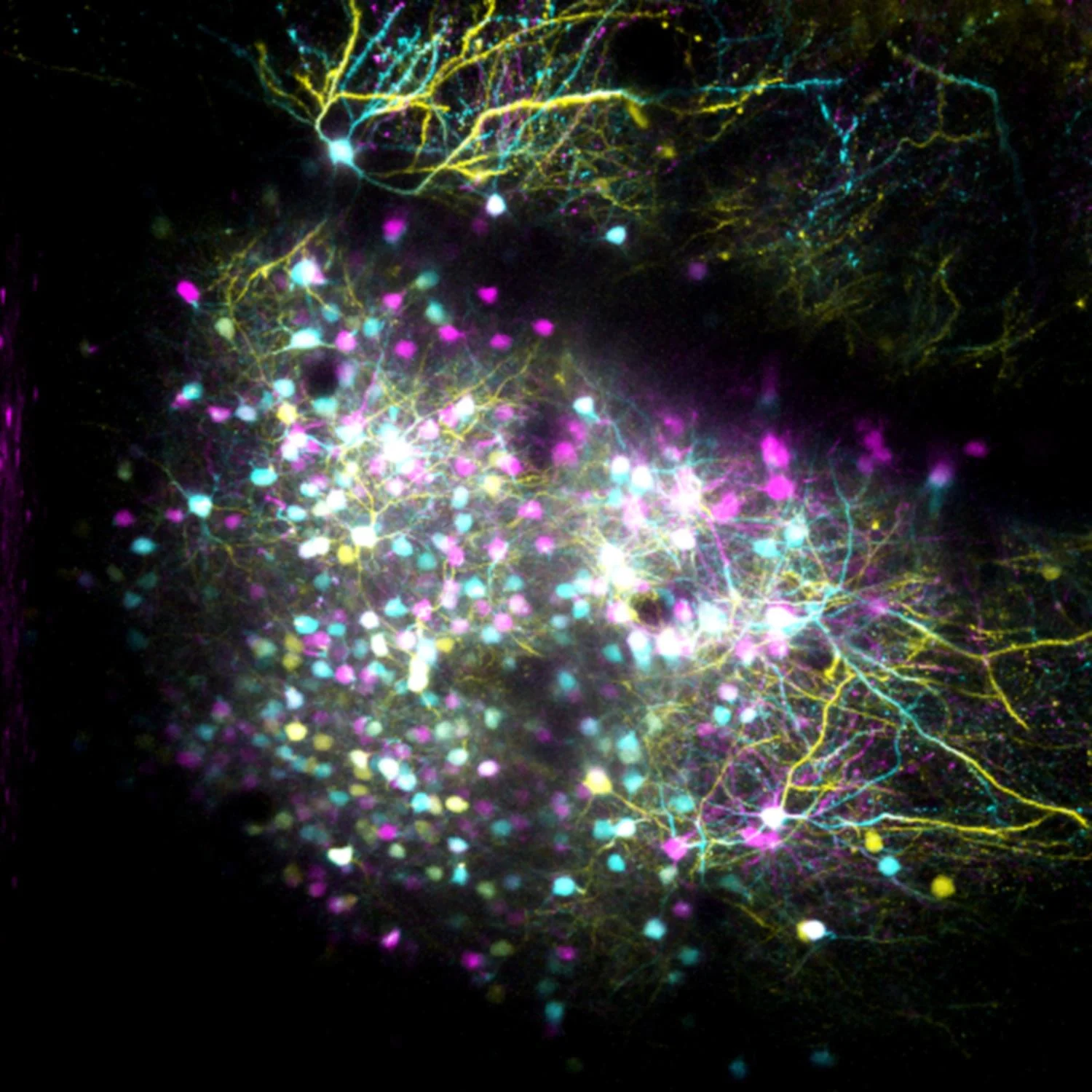
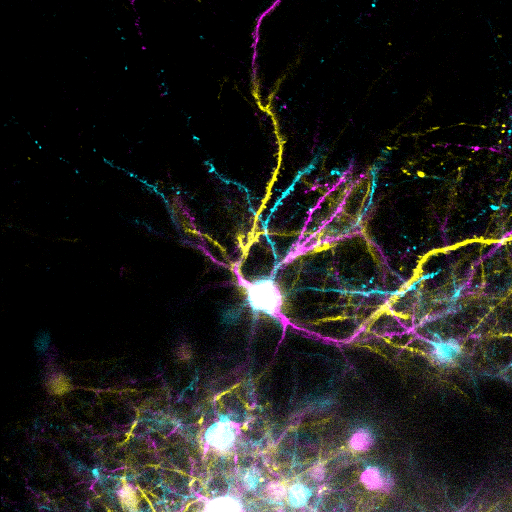
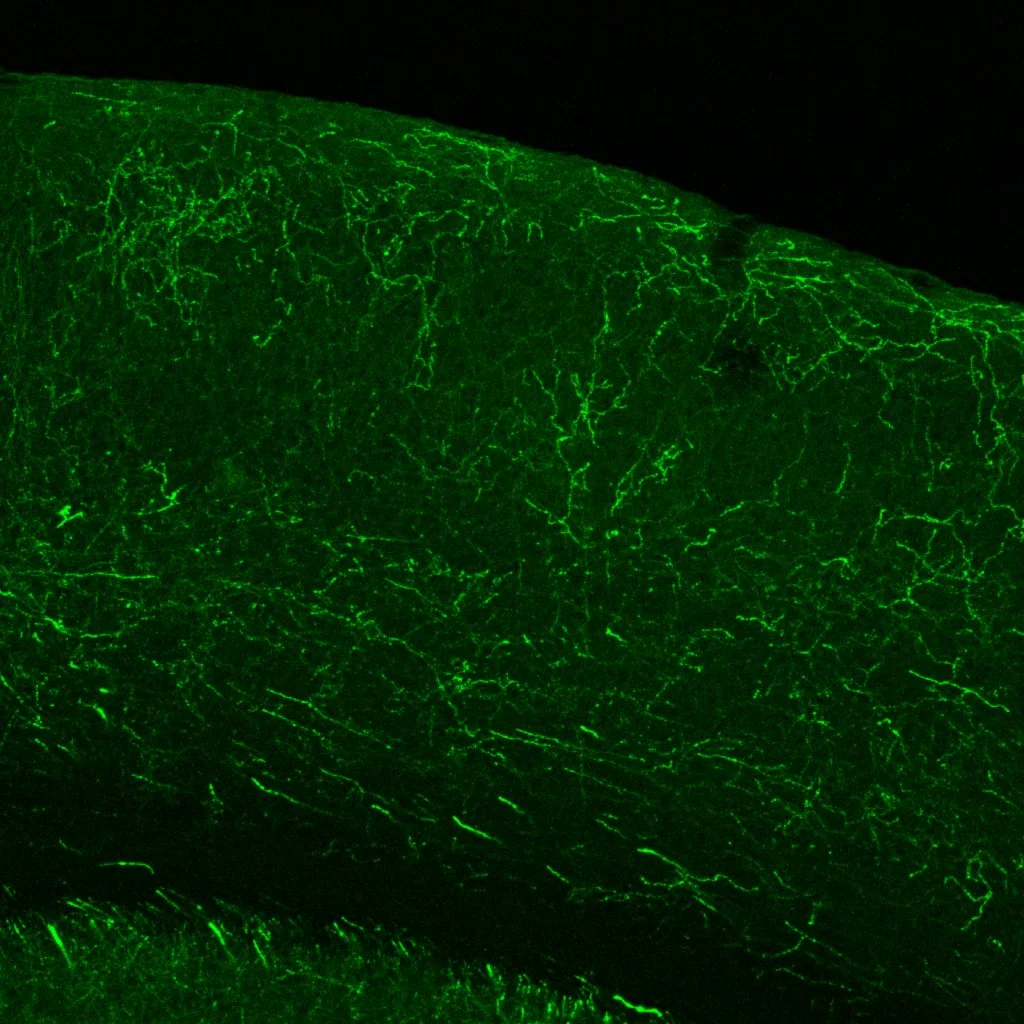
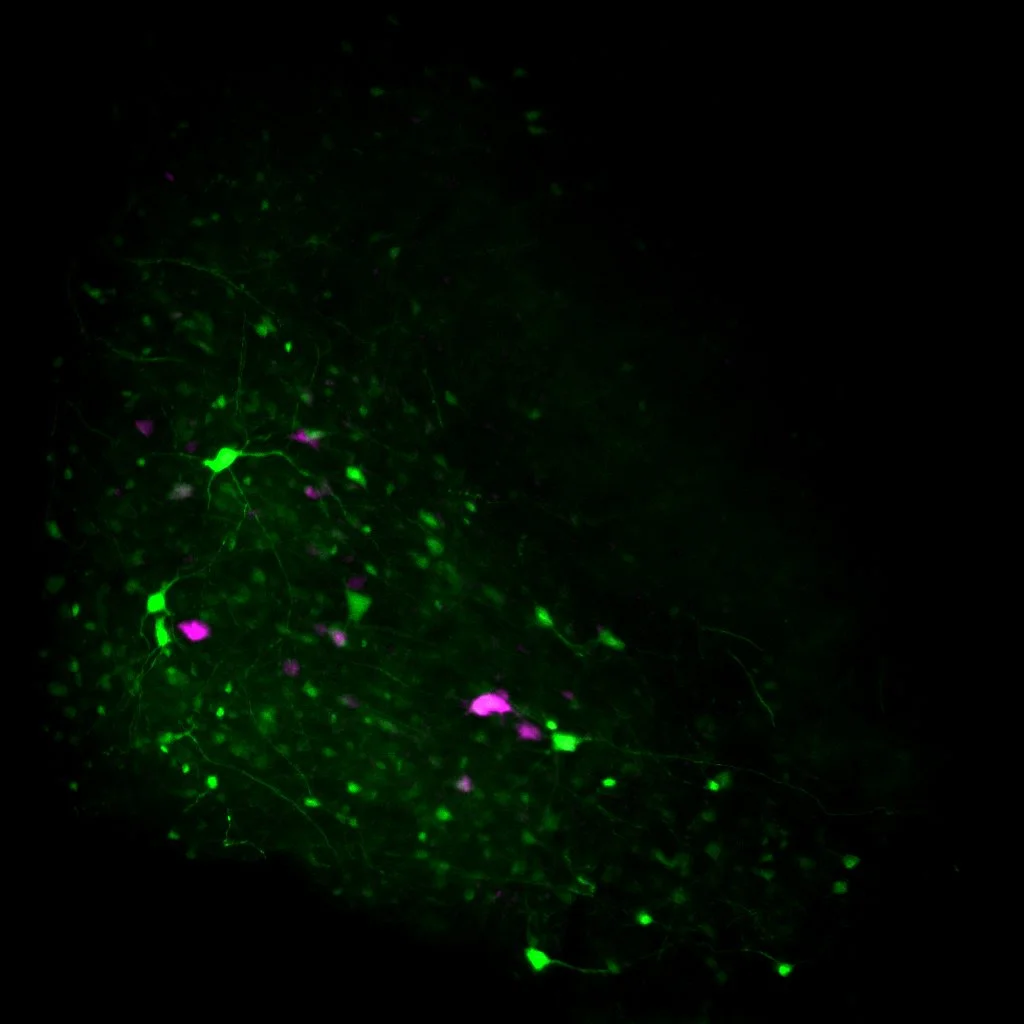
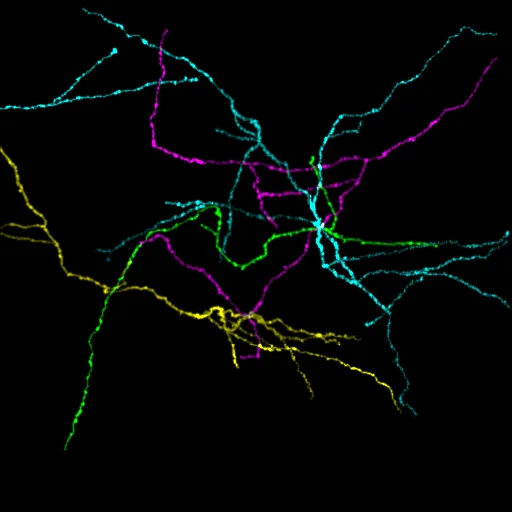
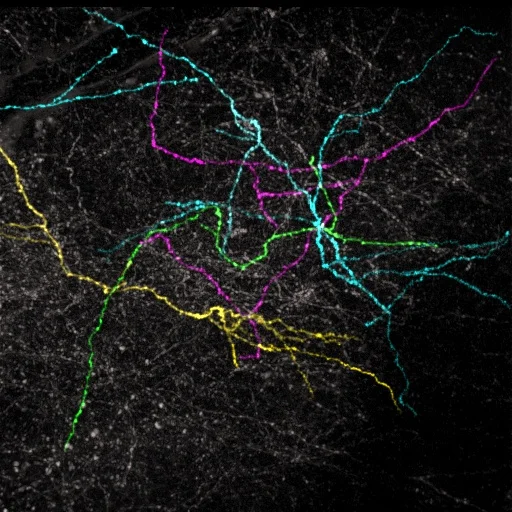
In the human brain, neurons form complex patterns of connections both nearby and far away. Many of these connections are malleable or "plastic" so that they can change or "rewire" in response to experience. In general, neuroscientists think this is a strategy the brain uses to store information and remember things, which means that it may be equally critical for some of these connections to remain stable or "tenacious" to make new information permanent. In addition to the life-long capability of the brain to change or modify itself based on experiences, the process of making and breaking connections occurs in a similar way, but on a much larger and faster time scale during the 'sculpting' of the basic structure of connections.
These complex developmental processes are orchestrated by internally driven spontaneous genetic/molecular cues, neural activity, and sensation/experience. Thus, this elevated level of rewiring and adaption of neural function along with the interdependence of each phase on the other required for proper development of neural connections, makes the developing brain particularly vulnerable to events that interfere with them, even if only temporary. Therefore, our goal is to better understand how, when and where different types of negative events changes the developmental trajectory and maintenance of neural connection patterns and, ultimately, how these changes affect neural computations that underlie adaptive behaviors. To this end, our lab is primarily focused on the following questions from two complementary areas of neuroscience research.
Neural Circuits and Plasticity
- How do neurons in the developing cortex 'wire up'?
- How are neural connections and functions changed by experience (and vice versa)?
Neurodevelopment and Dysfunction
- How and where are brain connections disrupted when adverse events such as toxic stress, low oxygen, or hormone imbalance are encountered during early life or during discrete periods of development?
- How do maladaptive neural connections affect long-term neurological and cognitive functions?
MISSION
Our purpose is to discover and share new and interesting knowledge about the brain and how it drives behavior in animals. We will openly share any new knowledge and strive to inspire and train new generations of scientists. We strive to create a professional and collegial research environment that fosters curiosity, creativity, and integrity along with an approach that embodies the motto motto Mens et Manus. Our hope is that through our research, we will help minimize the negative impact of adverse conditions or events experienced early in life on human emotional, social, and cognitive health.